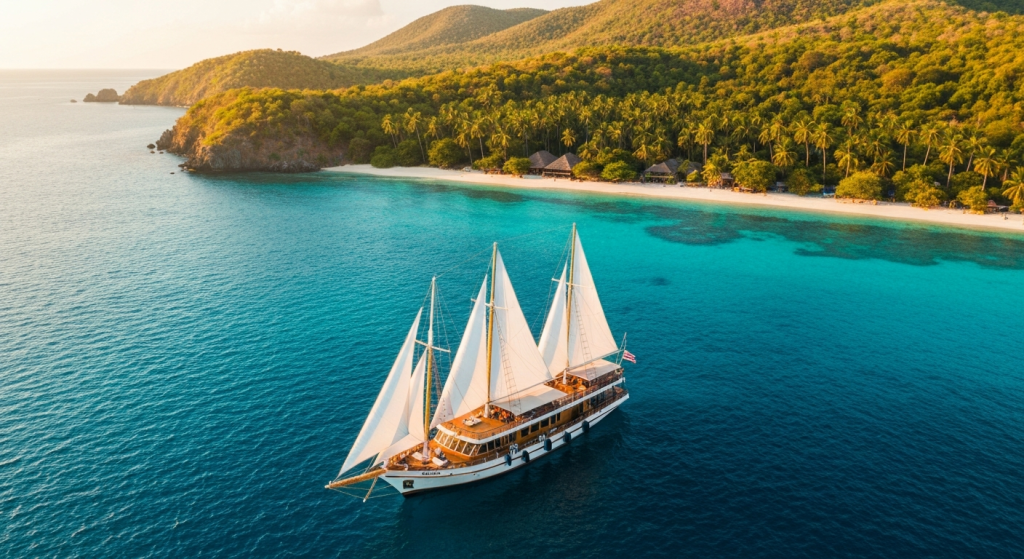
Navigating the permit system is a critical component of planning the best Komodo cruise for 2026. Komodo National Park, established in 1980 and designated a UNESCO World Heritage Site in 1991, strictly regulates visitor access to protect its unique ecosystem and the endemic Komodo dragons. All visitors require specific permits and pay various fees, which are typically managed by licensed tour operators. These regulations ensure sustainable tourism within the 1,733 km² park area, encompassing three major islands—Komodo, Rinca, and Padar—along with numerous smaller islets.
Understanding Komodo National Park Fees for 2026
Komodo National Park levies several mandatory fees for all visitors, covering entrance, conservation, and activity permits. As of 2026, the primary Komodo National Park entrance fee is approximately IDR 600,000 per person, which translates to about USD 40 at an exchange rate of 15,000 IDR/USD. This fee is a fixed charge for park entry and is separate from any specific island visits or activity permits. Most Labuan Bajo-based cruise operators typically exclude this fee from their initial package prices, requiring guests to pay it separately upon arrival or through their guide. Some longer cruises, particularly those originating from Lombok, may incorporate this fee into their overall cost due to different operational structures.
In addition to the main entrance fee, a conservation fee contributes directly to the park’s ongoing preservation efforts. This fee is often bundled with the entrance permit. Visitors engaging in specific activities also incur additional charges. For instance, a ranger fee is mandatory for any trek on Komodo or Rinca islands to view the dragons, ensuring guided and safe interactions. A separate snorkeling permit is required for underwater activities within designated areas of the park. These structured fees support the park’s infrastructure and conservation initiatives, as detailed by UNESCO World Heritage Centre.
Komodo Cruise Durations: 3D2N vs. Longer Trips and Associated Costs
The duration of a Komodo cruise significantly impacts both the total cost and the number of permits required. A 3-day, 2-night (3D2N) itinerary is the most popular choice for visitors seeking the best Komodo cruise from Labuan Bajo. This duration allows sufficient time to visit key sites like Padar Island, Pink Beach, Manta Point, and a Komodo dragon trek. Shared budget trips for 3D2N typically range from USD 280 to USD 550 per person, varying by boat quality and cabin type. Mid-range phinisi shared cruises for the same duration cost between USD 550 and USD 900 per person, often including better amenities like private ensuite bathrooms and air conditioning.
Longer cruises, such as 4-day, 3-night (4D3N) options, offer a more comprehensive exploration of the national park, often including additional dive or snorkel sites. These extended trips are considered by many as providing the best value, avoiding a rushed experience. Shared 4D3N cruises from Labuan Bajo start from approximately USD 335 per person for basic boats. Luxury phinisi options for 4D3N can range from USD 1,800 to USD 3,500 per person, offering superior comfort and service. The permit structure remains generally consistent across durations, but longer stays may incur more activity-specific fees if additional sites are visited. Explore detailed 3D2N cruise options from Labuan Bajo on our site.
Shared vs. Private Komodo Cruise: Permit Implications and Pricing
The choice between a shared open-trip and a private charter for your Komodo cruise affects both the permit management and overall pricing structure. Shared cruises, accommodating 10-30+ guests, distribute permit costs among a larger group, making them more budget-friendly. For instance, a shared budget boat for a 3D2N trip costs around USD 280–550 per person. These trips typically have a fixed itinerary, and individual permits (entrance, conservation, activity) are usually paid per person as an add-on to the base cruise fare. The operator collects these fees and handles the official payments to the park authority.
Private Komodo cruises offer exclusivity and customizable itineraries, though at a higher cost. A luxury phinisi private charter for 3D2N starts from approximately USD 1,000 per person, increasing significantly for larger yachts. With private charters, permit fees are still calculated per person, but the convenience of personalized service and itinerary flexibility is the primary draw. The operator for a private cruise often bundles all necessary permits into the total charter price, providing a more transparent all-inclusive quote. This option is popular for couples, families with teens, and friend groups seeking a tailored experience. Discover more about luxury phinisi cruise options.
Specific Activity Permits: Snorkeling, Diving, and Dragon Treks
Komodo National Park charges distinct fees for specialized activities beyond general entry. A dedicated snorkeling permit is required for all underwater exploration in designated areas like Manta Point and Kanawa Island. This ensures managed access and contributes to marine conservation efforts. For certified divers, a specific diving permit is mandatory, often higher than the snorkeling fee, reflecting the specialized nature of the activity and the associated safety oversight. These permits are typically arranged by the dive operators or cruise companies, ensuring compliance with park regulations. Many operators list these as separate inclusions or exclusions.
Trekking to see the Komodo dragons on Komodo or Rinca Island requires a ranger fee for each visitor. This fee covers the cost of a trained park ranger who accompanies groups, providing safety and educational insights into the dragons’ behavior and habitat. Rangers ensure visitors maintain safe distances, typically 5-10 meters, from the reptiles. These activity-specific permits are crucial for maintaining the ecological balance and visitor safety within the park, as highlighted by Indonesia.travel. For those prioritizing marine activities, understanding these fees is key to planning the best Komodo cruise for snorkeling and manta rays.
Best Time to Go on Komodo Cruise 2026: Seasonality and Permit Availability
The optimal time to visit Komodo National Park for a cruise largely depends on weather conditions and marine life sightings, which can also influence permit demand. The dry season, from April to October, is generally considered the best time due to calm seas and abundant sunshine. June 2026, for instance, falls within this peak season, offering excellent visibility for snorkeling and diving. During these months, permit availability is consistent, but booking cruises well in advance (3-6 months) is advisable due to high demand. This period typically sees a higher volume of tourists, particularly from Germany, the United States, and Australia.
The shoulder months and wet season, including December and January, also offer unique experiences, though with potentially choppier seas. December and January 2026 are part of the rainy season, characterized by occasional heavy downpours, but marine life remains active. Permits are still required and available, but fewer tourists might result in a more serene experience. Operators maintain schedules year-round, but specific boat availability might vary. Regardless of the month, all visitors must obtain the necessary permits. Understanding these seasonal nuances helps in planning the best time to go on a Komodo cruise in 2026.
Safety and Regulations: Is Komodo Cruise Safe 2026?
The question of “is Komodo cruise safe 2026” is directly linked to adherence to marine park regulations and boat safety standards. All licensed operators within Komodo National Park must comply with safety protocols mandated by Indonesian maritime authorities and the park management. This includes requirements for life jackets for every passenger, functional communication equipment, and the presence of a tender or speedboat for emergencies. Boats operating within the park are subject to regular inspections, with newer vessels or those refitted after 2023 generally offering enhanced safety features and comfort. Many reputable companies specify their boat’s build or refit year in their listings.
Permit regulations also contribute to safety by controlling visitor numbers and ensuring guided activities, particularly on land with the Komodo dragons. A clear safety briefing is a standard procedure on all reputable cruises before departure. Guests should verify that their chosen operator holds appropriate licenses and has a strong safety record, often reflected in recent 2024-2026 reviews on platforms like Google or TripAdvisor. The maximum passenger capacity of 10-20 guests on many quality boats also contributes to a safer, more personalized experience compared to larger budget vessels carrying 30+ passengers.
What Your Komodo Cruise Package May or May Not Include
Understanding the inclusions and exclusions of a Komodo cruise package is crucial for budgeting and avoiding unexpected costs. Most packages offered by operators based in Labuan Bajo have specific items covered and others that are not. Here is a general breakdown:
- Cruise Accommodation: Typically includes cabin space, whether private ensuite or shared dorm-style, for the duration of the trip.
- Meals and Drinking Water: Full board (breakfast, lunch, dinner) and ample drinking water are usually provided. Guests should inquire about water filtration and plastic bottle use.
- Snorkeling Gear: Basic snorkeling equipment (mask, snorkel, fins) is often included, though quality can vary.
- Guide Services: An experienced local guide is usually part of the package, especially for dragon treks and island visits.
- Transfers: Round-trip transfers between Labuan Bajo airport/hotel and the boat harbor are frequently included.
- Komodo National Park Entrance Fee: This is typically excluded from the base price for Labuan Bajo departures, costing around IDR 600,000 (~USD 40) per person.
- Activity Permits: Specific permits for snorkeling, diving, or ranger fees for dragon treks are often excluded.
- Flight Tickets: Airfare to and from Labuan Bajo (LBJ) is always excluded.
- Personal Expenses: Souvenirs, alcohol, soft drinks (beyond water), and gratuities for the crew are not included.
- Travel Insurance: Personal travel insurance is universally excluded and highly recommended.
- Drone Permits: Flying drones within the park requires a separate, often expensive, permit that is rarely included.
Guests should always review the fine print of their booking confirmation to confirm exact inclusions and exclusions. Transparent operators will clearly list these details, providing clarity for travelers from top source markets like Germany, the United States, and Australia.
Conclusion: Planning Your 2026 Komodo Cruise
Successfully planning the best Komodo cruise for 2026 involves a clear understanding of the permit system and associated costs. Komodo National Park’s regulations are designed to protect its unique biodiversity, including the iconic Komodo dragons and vibrant marine ecosystems. Visitors must account for various fees, including the main park entrance fee (approximately IDR 600,000 or USD 40), conservation fees, and specific activity permits for snorkeling, diving, or dragon treks. These costs are usually separate from the base cruise fare, which can range from USD 280 for a budget 3D2N shared trip to over USD 1,000 for luxury private charters.
Choosing between a shared or private cruise, selecting the ideal duration (3D2N being the global default), and understanding seasonal variations impact your overall experience and budget. Prioritizing boat quality, safety standards, and transparent booking policies ensures a rewarding and compliant visit. By familiarizing yourself with these essential details, you can make informed decisions and secure an unforgettable Komodo adventure. Explore our comprehensive selection of curated Komodo cruise tours to find the perfect option for your 2026 travel plans.