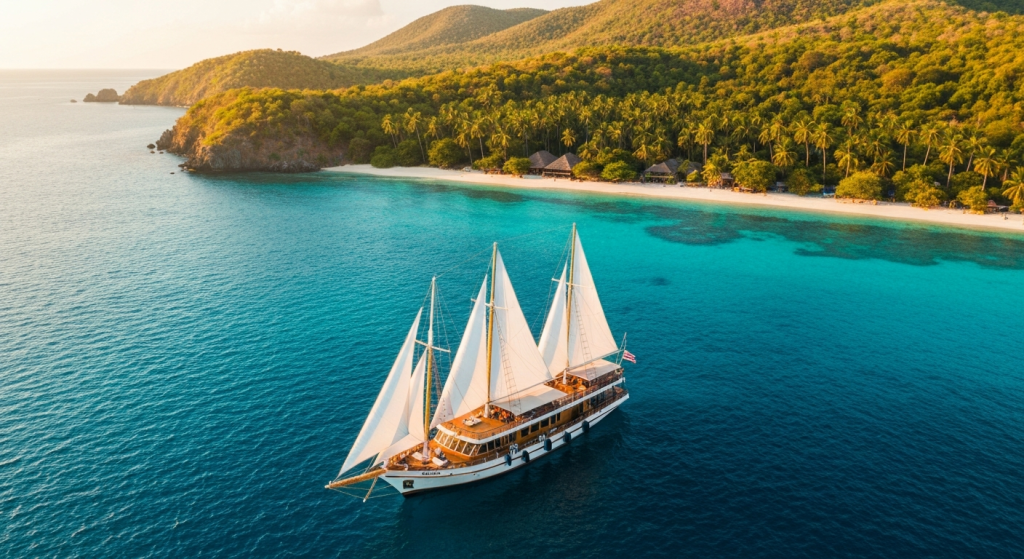
Komodo National Park, a UNESCO World Heritage site since 1991, is globally recognized for its Komodo dragons and vibrant marine ecosystems. The park’s waters host diverse species, including the majestic manta ray, one of the ocean’s largest cartilaginous fish. Manta ray sightings are a primary draw for many visitors, particularly from May to September, aligning with optimal oceanic conditions. This expansive marine protected area spans over 1,733 square kilometers, offering numerous opportunities for encounters with these gentle giants. The park’s unique currents and nutrient-rich waters create ideal habitats for mantas, attracting them to specific feeding and cleaning stations.
Best Time to Go on Komodo Cruise 2026 for Manta Rays
The optimal period for manta ray sightings in Komodo National Park extends from May to September, considered the dry season. During these months, the southeast monsoon brings nutrient-rich currents, which fuel plankton blooms, attracting large aggregations of manta rays. Water temperatures average between 26-29°C, providing comfortable conditions for snorkeling and diving. Visibility often reaches 20-30 meters on calm days, enhancing the chances of clear observations. Booking a Komodo cruise in June 2026, for example, positions visitors within this peak season.
Shoulder seasons, specifically April and October, also offer good opportunities, though sightings might be less consistent than during the peak. These months typically see fewer tourists, potentially offering a more serene experience. The probability of encountering mantas remains high, with many operators reporting successful sightings on over 80% of their trips during the extended season. Planning a 3D2N or 4D3N trip maximizes your chances across multiple sites.
Best Komodo Cruise for Snorkeling and Manta Rays
Selecting the right cruise significantly impacts manta ray encounter success, especially for snorkelers. Shared or private phinisi vessels with capacities of 10-20 guests typically offer the most focused experiences. Many reputable operators use smaller tender boats to access specific manta sites, allowing closer, safer observation. A 3D2N or 4D3N itinerary provides multiple opportunities at different locations, increasing the likelihood of sightings.
Quality snorkel gear, including well-maintained masks, fins, and life vests, should be provided by the operator. Mid-range shared phinisi cruises, generally priced at USD 550-900 per person for 3D2N, often include dedicated manta excursions. These cruises frequently feature experienced guides who understand manta behavior and local conditions. Always confirm the inclusion of snorkel equipment and a knowledgeable guide in your booking details.
Manta Ray Hotspots and Conservation in Komodo National Park
Komodo National Park hosts several renowned manta ray hotspots. **Manta Point (Karang Makassar)** is the most famous site, located between Komodo Island and Tatawa Island. Here, mantas gather at cleaning stations, where smaller fish remove parasites from their bodies. Other notable sites include Batu Bolong and Siaba Besar, offering varying conditions and depths for encounters.
Conservation efforts within Komodo National Park are critical for protecting these vulnerable species. The park implemented a ban on destructive fishing practices in 2013, significantly aiding marine life recovery. The Oceanic Manta Ray (Mobula birostris) is listed as Vulnerable by the IUCN Red List, underscoring the importance of responsible tourism. [Source: IUCN Red List] Visitors play a role by adhering to guidelines and supporting eco-friendly operators.
Choosing Your Best Komodo Liveaboard for Family Manta Encounters
Families with teens, typically aged 10-17, prioritize safety, comfort, and appropriate activities when selecting a liveaboard. Operators like Inspirato list a minimum age of 10 for some higher-end voyages, such as Aqua Blu’s 2026 departures, ensuring suitability for younger participants. Private cabins with ensuite bathrooms and air conditioning ensure comfort after active days. Flexible meal options, accommodating vegetarian, vegan, or gluten-free diets, are crucial for diverse family needs.
Safety briefings and ample life jackets per person are standard on quality vessels. Look for boats with a maximum capacity of 10-20 guests to ensure personalized attention and less crowded experiences. A Komodo liveaboard for families should also offer a balance of activities beyond manta encounters, such as Komodo dragon treks and relaxing beach visits.
Komodo National Park Entrance Fees and Cruise Inclusions for Manta Trips
Understanding inclusions and exclusions is vital for budgeting a Komodo cruise. The Komodo National Park entrance fee, approximately IDR 600,000 per person (around USD 40 at 15k IDR/USD), is generally *not* included in cruise prices originating from Labuan Bajo. This fee covers park access, ranger services, and contributes to conservation efforts. Some longer 4D3N cruises originating from Lombok might incorporate this fee due to different operational structures and port arrangements.
Reputable cruises typically include all meals, non-alcoholic beverages, and snorkel gear. Exclusions often comprise personal expenses, gratuities for the crew, and sometimes a local guide fee for specific activities like dragon treks. Always clarify the exact inclusions and exclusions before booking to avoid unexpected costs. [Source: KomodoTouristic 2026 info]
Shared vs Private Komodo Cruise: Optimizing Manta Ray Viewing
The choice between a shared and private Komodo cruise impacts both budget and flexibility for manta ray viewing. Shared tours offer a more budget-friendly option, with 3D2N basic boats starting around USD 280-550 per person. These tours follow fixed itineraries, visiting popular manta sites like Manta Point. While sightings are frequent, the schedule adheres to group needs.
Private charters provide significant flexibility, allowing customization of itineraries to maximize manta ray viewing opportunities. For groups of 3-6 friends or couples seeking more personalized experiences, a private charter of a mid-range phinisi (USD 1,000-1,800 per person for 3D2N) offers notable advantages. Private cruises can adjust schedules based on real-time manta sightings and stay longer at productive sites. This option caters to experienced divers or dedicated snorkelers prioritizing marine encounters over a fixed schedule.
Essential Tips for Responsible Manta Ray Encounters
Interacting with manta rays requires adherence to responsible practices to ensure their well-being and the safety of visitors. Following these guidelines helps preserve Komodo’s marine environment:
- Maintain a minimum distance of 3 meters from manta rays.
- Do not touch, chase, or attempt to feed the mantas.
- Avoid using flash photography, which can startle marine life.
- Listen carefully to your guide’s instructions for safe interaction protocols.
- Practice proper finning techniques to avoid disturbing the seabed or marine creatures.
- Enter the water calmly and quietly to minimize disturbance.
- Limit your time in the water to avoid stressing the animals.
- Ensure all sunscreen and personal care products are reef-safe.
- Dispose of all waste properly; do not litter in the ocean or on islands.
- Report any observed irresponsible behavior by other visitors or operators.
Maximizing manta ray sightings in Komodo National Park involves careful timing and cruise selection. Focusing on the peak season from May to September and choosing an operator with experienced guides enhances the probability of encounters. Selecting a cruise that aligns with your group’s composition, whether a family or a group of divers, ensures comfort and satisfaction. Prioritize vessels with strong safety records and transparent inclusion policies, especially regarding the Komodo National Park entrance fee. Plan your best Komodo cruise 3D2N from Labuan Bajo with a focus on responsible tourism practices. Contact Best Komodo Cruise Tours today to arrange your unforgettable manta ray experience.